AXIAL SKELETON: Skull to Spine
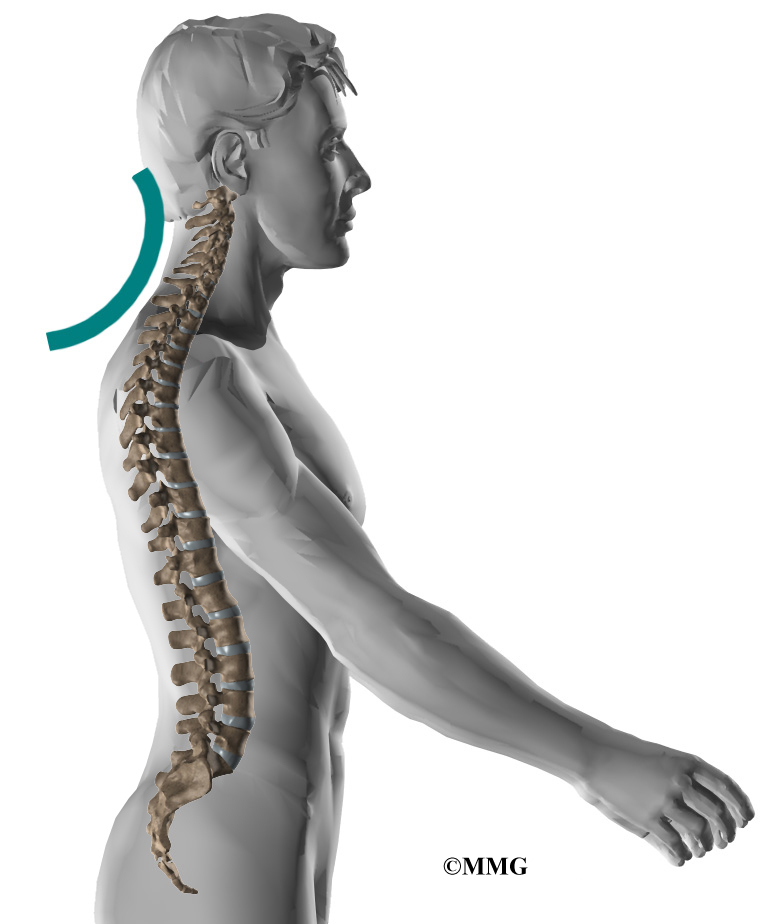

The axial skeleton contains the skull, spine, the "rib cage," and the free-floating hyoid bone. More specifically, the spine involves a column of vertebrae: cervical, thoracic, lumbar, sacral, and coccygeal. We have to have mobility in opposing curves of the spine to have adequate postural alignment. Each section of the "S" shape curve of our spine needs to be responsive, instead of thinking of the spine being straight.


Walking Down the Spine
ReplyDeleteThis particular exercise was used to recognize and locate the different parts of the spine: cervical, lumbar, thorax, sacral, and coccygeal. We used our own hands and fingers to establish the different protrusions of the spine, as we rolled from the head down and from the tail up.
Rolling Down the Spine
This was a step-by-step exercise that we do routinely in our dance classes; mainly modern. It is essentially the use of the head and tail and its connections through our vertebra. It is first, using the head as a guide for the rest of the spine to release down to its curve, one vertebra at a time. And finally, tucking the tail in and using that motion to slowly bring the spine to a vertical position, one vertebra at a time.
Walking Down the Spine: with a Partner
Like the first exercise, this achieved the same results but with and from a partner’s perspective. It was something much easier to do with a partner, rather than by myself. I was able to easily locate the different segments of the spine of my partner’s.
Rocking the Spine
This rocking of the spine is the BEST! I’ve experienced this the first time in a yoga class taught by Catherine Cabeen. The first rock, was the most tense and stressful rock. However, after a few minutes and a few rocks later… I was able to touch my toes to the floor. My spine was extremely loose and warm, five minutes later.
Three-dimensional spinal patterns
This is another exercise that helps with body isolation; specifically the spine. Simple movements that help undulate the spine illustrate how much of a connection the spine has to everything surrounding it.
Caring for your spine
It is important for us all to take care of our spines; stretch, relax, and massage.
THAO
Walking Down the Spine
ReplyDeleteI found the atlas at the base of my neck!!!! Doing body rolls from the head to the tail and back up from the tail to the head helped us know how each section of the spine moves. Walking my fingers from the atlas over the cervical, thoracic, lumbar, sacral, and coccygeal regions i realized just how long the spine is. It starts up inside the bottom of the skull and goes down all the way to the tail bone. The head and tail connection is so important for many reasons in movement and it makes sense because of the spine that connects the two and the great mobility the spine has.
Rolling Down the Spine
In nodding the head yes, it allows one to start the roll down from the top of the vertebrae at the atlas. Relaxing after rolling all the way down incorporating each vertebrae is such an amazing feeling of relaxation into the gravity and weight of the head. Sometimes I shake out my upper portion of my body to make sure it is fully relaxed as my knees are soft. While rolling up slowly, it is just as important to roll slowly so you can feel the movement of every segment of the vertebrae.
Walking Down the Spine With a Partner
It was easier to walk down the spine on someone else because we already did this exercise to ourselves, and also there were no spots on the spine that were somewhat hard to reach. Also you can see the boney landmarks instead of just feeling them. It was also different having Thao breath into my hand as I placed it on her sacrum. You can feel the breath of another person at their sacrum!!!
Rocking the Spine
I love this exercise!!!! Rocking the heels back and forth feels so good on the spine as you lay on the ground. Also releasing the neck and letting it rock up and down in a "yes" movement also feels amazing.
Three-dimensional Spinal Patterns
Working with visuals in these hip movements allowed me to have a full bodied experience. I have moved my hips plenty of times before back and forth and side to side, but when I thought about how a whale moves, it brought me back to the evolutional story we went through in class and how some of our movements are still similar to other animals. Also in the spirals side to side of the hips and spine, wrapping like a flag around a flag pole was a good visual for what they wanted the movement to be like exactly.
KATIE